Mostrando entradas con la etiqueta cine asiático. Mostrar todas las entradas

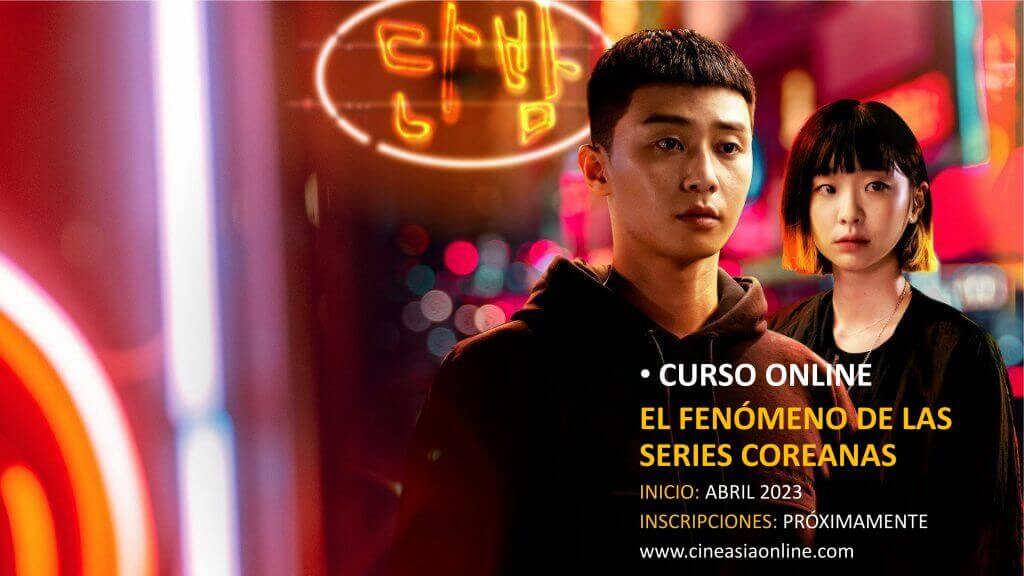
CURSO ONLINE CINEASIA: EL FENÓMENO DE LAS SERIES COREANAS


Curso online CineAsia

El fenómeno de las series coreanas


Sí, ya está aquí, el curso que todas/todos nos habíais pedido tiene estructura y fecha de inicio. El estreno está previsto para el 17 de abril de 2023. El nuevo curso online de CineAsia que lleva por título ‘El fenómeno de las series coreanas’ analiza los k-dramas y el porqué del impacto mediático de las mismas a nivel internacional. Un recorrido histórico, que analizará desde las series de mayor éxito, los géneros, las agencias de talentos, la metodología de trabajo, la importancia de las guionistas…

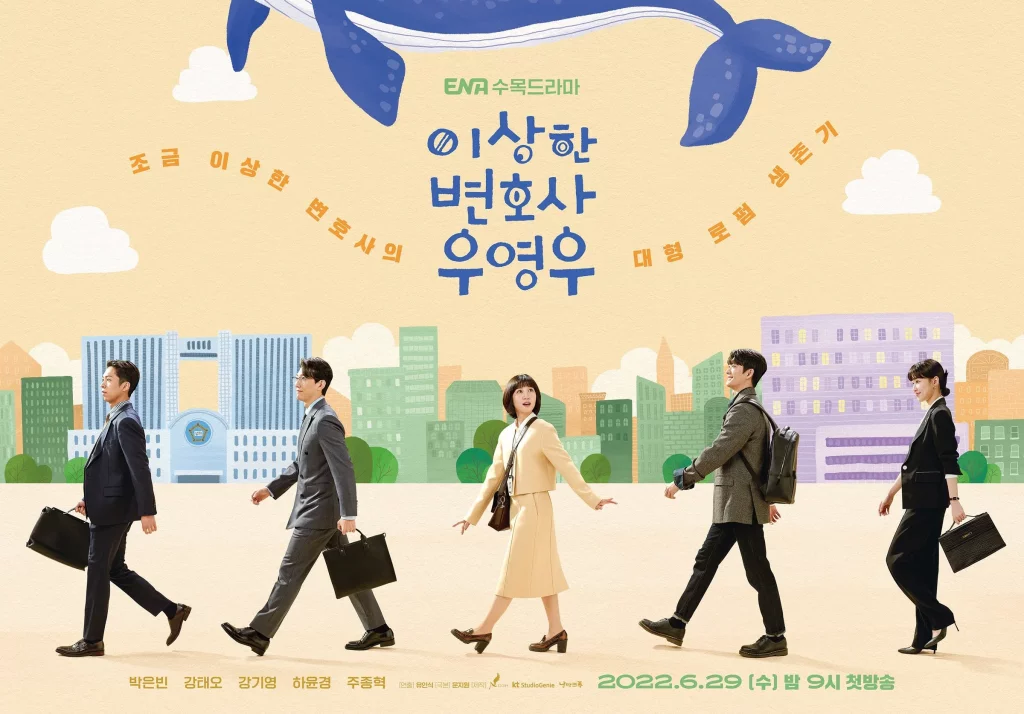
De Winter Sonata a Itaewon Class, embárcate en el nuevo viaje que te propone CineAsia con el curso online ‘El fenómeno de las series coreanas un viaje de 20 horas (diez sesiones) por el mundo de la televisión y las series en Corea del Sur.


Ficha técnica:
  • Duración: del lunes 17 de abril al lunes 26 de junio
  • Horas: 20 horas (repartidas en diez sesiones)
  • Sesiones: (1 sesión a la semana) 2 horas de duración los lunes de las 19h a las 21h
  • Modalidad: online (a través de la plataforma Zoom)
  • Precio: 120 € / Alumnos que ya han realizado la preinscripción: 100 €
  • Descuento con carnet de estudiante: Todos los estudiantes tendrán un descuento de 20€ en la inscripción al curso.
  • Certificado del curso: Todos los alumnos que superen el 60% de las clases y que lo soliciten recibirán un certificado final del curso expedido por CineAsia.


Sesiones:
  • CLASE 1 – 17 DE ABRIL
“Presentación del curso y su metodología. ¿Por qué un curso sobre las series coreanas?”

Presentaremos el curso, su funcionamiento y también una introducción al “fenómeno de los K-dramas”: ¿por qué un curso sobre series de Corea del Sur? Hablaremos de su impacto mediático y cultural a nivel internacional.

  • CLASE 2 – 24 DE ABRIL
“El soft power coreano: la ola HALLYU”

Analizaremos qué es el llamado ‘poder blando’; la evolución de la ola hallyu coreana (cuándo y cómo empezó todo, su transversalidad, la evolución de las audiencias…). Trataremos también de reconocer los rasgos tanto positivos como negativos de la ola coreana.

  • CLASE 3 – 8 MAYO
“La industria de la TV coreana y sus políticas”

Un poco de historia sobre las cadenas de TV en Corea del Sur: canales públicos y privados, plataformas… También sus políticas publicitarias y de censura, así como cuándo y dónde se emiten los K-dramas y qué tipo de ellos se programan en cada cadena.

  • CLASE 4 – 15 MAYO
“La producción de las series coreanas”

¿Cómo se hace/se produce una serie en Corea? Metodología de trabajo, interacción con el fandom y la realidad del país; evolución de los géneros; cómo trabajan los directores, guionistas, actores… Un paseo por la “industria” de los K-dramas.

  • CLASE 5 – 22 DE MAYO
“Guionistas y directores más reconocidos de la industria de los K-dramas”

Es curioso cómo en la industria de los K-dramas, las figuras más reconocidas son los guionistas y, sobre todo, guionistas mujeres. Esto está cambiando en los últimos años y analizaremos por qué. Hablaremos las/los guionistas y directores más famosos, y de sus más famosas.

  • CLASE 6 – 29 DE MAYO
“Breve historia y evolución de los k-dramas en la TV coreana”

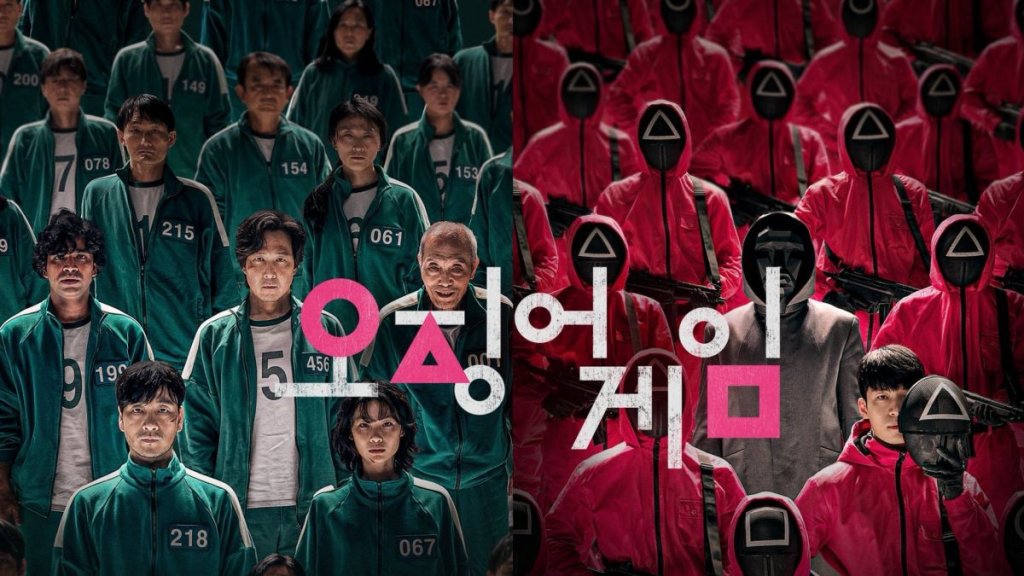
¿Cuándo empiezan a hacerse series en la TV de Corea? ¿Cómo empezó todo? Haremos un poco de historia sobre las más reconocidas series desde los años ’60-‘70s hasta llegar al “boom” que se produjo al principio del Nuevo Milenio y las series que lo iniciaron todo (Winter Sonata, Escalera hacia el cielo, Boys Over Flower, La joya de palacio, etc).

  • CLASE 7- 5 JUNIO
“Los ‘saeguk” y la historia de Corea”

Al hablar de la famosa serie “La joya de palacio”, nos da pie a realizar un recorrido por la historia pre-siglo XX de Corea: sus reinos, reinados, reyes a través de las series coreanas… Los llamados “saeguk”.

  • CLASE 8 – 12 JUNIO
“La historia de Corea: el Siglo XX en K-dramas”

Seguiremos hablando de la evolución de los K-dramas y de cómo estos han reflejado muchas veces la historia del país (colonialismo japonés, Guerra de Corea, dictadura, consecución de la democracia, crack económico 1997, hechos concretos sociales, etc).

  • CLASE 9 – 19 JUNIO
“K-dramas en clave de género”

Hablaremos de cómo los K-dramas reflejan a la mujer y al hombre: estándares de belleza femenina desde el Confucionisto a las “Gangnam Beauty”, las nuevas “masculinidades”, etc. Veremos cómo ha evolucionado en los K-dramas el tratamiento de las temáticas de género.

  • CLASE 10 – 26 JUNIO
“La globalización de los K-dramas”

Veremos cómo las plataformas (Netflix, Disney, etc.) han cambiado el panorama audiovisual y cómo se han beneficiado de ellas la industria de las series coreanas ampliando audiencias, globalizándose y cambiando también “su estilo y sus temáticas”. Para finalizar intentaremos sacar algunas conclusiones (tanto positivas como negativas) del fenómeno.

CURSO REFLEXIONES SOBRE LA CULTURA ASIÁTICA: LA CULTURA AUDIOVISUAL EN ASIA, CINE, ANIME, VIDEOJUEGOS


Reflexiones sobre la cultura asiática: La cultura audiovisual en Asia, cine, anime, videojuegos


El Instituto Universitario del Cine Español (UC3M) con la ayuda financiera de la Fundación Eurasia celebra el curso presencial “Reflexiones sobre la cultura asiática” cada viernes desde el 9 de septiembre al 16 de diciembre de 2022 en horario de 16:00h a 18:00h, a excepción de tres sesiones que serán desde las 16:00h a las 20:00h. El objetivo principal es ofrecer a los estudiantes una amplia gama de conferencias sobre la cultura audiovisual asiática y sus diferentes contextos históricos, políticos, económicos y sociales.

El curso es una oportunidad única para proporcionar al alumnado un contacto de primera mano con la cultura audiovisual en Asia, impartida por profesores expertos de un amplio reconocimiento internacional. Serán temas de principal interés el cine, anime, videojuegos, además de aproximaciones a las raíces culturales y al tejido industrial asiático.

Módulo1: Culturas asiáticas
  • La comunidad asiática (inglés)
  • Cultura, religión y sociedad (inglés)
  • El tejido empresarial en Asia oriental (inglés)
  • La mitología china y su influencia en el audiovisual (castellano)
Módulo 2: Cine, anime y video juego en Japón
  • Cine: coproducción asiática (inglés)
  • Cine: una aproximación a la historia del cine japonés (castellano)
  • Anime: Historia y el proceso creativo (inglés)
  • Anime: la estructura narrativa (castellano)
  • Anime: la segunda generación de creadores (castellano)
  • Videojuego: industria, cultura y consumo (castellano)
Módulo 3: Cines coreanos
  • La historia del cine surcoreano (inglés)
  • La historia del cine norcoreano (inglés)
  • El cine coreano y la participación femenina (inglés)
  • Blockbusters coreanos y la memoria histórica (castellano)
Módulo 4: El cine en India, Hong Kong e Irán – clausura
  • El arte visual iraní y la influencia asiática (castellano)
  • Hong Kong y Bollywood en el contexto global (inglés)
  • Reflexiones sobre el futuro (inglés)

Dirigido a:

Público universitario con especial interés en desarrollar conocimientos sobre la cultura audiovisual asiática.

No se requiere titulación previa.


Adjudicación de las plazas:

Las plazas están limitadas y la admisión se hará por orden estricto de llegada de las solicitudes y después de haber recibido el visto bueno del comité de organización del Instituto Universitario de Cine Español.

Plazo de admisión: hasta el 30 de junio de 2022

Solicitud de admisión: Hacer click aquí

CFP: SOUTH KOREAN SPECULATIVE FICTION. THE JOURNAL OF THE FANTASTIC IN THE ARTS


Newtrospection: Reverse-Engineering Modernity in South Korean Speculative Fiction


The Journal of the Fantastic in the Arts (JFA), published since 1988, is an interdisciplinary journal devoted to the study of the fantastic in literature, art, drama, film, and popular media. Published three times per year by the International Association for the Fantastic in the Arts, JFA’s articles are fully refereed, indexed in the MLA International Bibliography, and searchable in JSTOR. The editorial collective of JFA is currently working to make the journal indexed in SCOPUS and A&HCI as well. In early 2023 JFA plans to publish its first focused issue dedicated to South Korean science fiction and fantasy.

South Korean speculative fiction has a long and rich yet also conflicted history that spans over a century. Building on the legacy of the fantastic in premodern literature while also struggling with colonial drives toward the inculcation of science-technology (kwahak kisul – a compound term devised and systematically promoted as a state-led initiative on industrial development and lifestyle management), creators and readers of Korean science fiction have sought diverse pathways to negotiate the anxiety of influence through critical reappropriation. Taeguek Hakbo’s publication of Jules Verne’s 20,000 Leagues under the Sea (trans. 1907) for instance introduced and framed modern technology as the momentum of progress, whereas Kim Dong-yin’s short story “Dr. K’s Research” (1929) highlighted the limits of a scientific frame of reference through irony. Despite pressures to focus on the problems of the here and now in the form of critical realism, speculative narratives persisted across the mediasphere throughout the turmoil of the Korean War and compressed development; creature/cult/horror films served as an outlet for quirky imaginaries in the ‘60s~’70s, while the comics magazine culture offered a fertile ground for science fiction narratives throughout the ‘80s~early ’90s. The film industry has also embraced speculative tropes as inspiration for hybrid aesthetics after an initial period of struggle (marked by a slew of unsuccessful blockbusters in the early 2000s); television dramas, streaming media, and webtoons are actively embracing the genre as the source of creative momentum; and videogames, in particular, are thriving in the land of the fantastic. In the domain of written literature, fantasy spearheaded the break from the longstanding tradition of critical realism in pace with South Korea’s economic and political stabilization in the ‘90s, and science fiction has become the nursery of feminist breakthroughs to attract global attention over the past decade – an ever-peculiar (yet all the more welcome) state of affairs given the predominantly masculine vector of the genre’s history, paired with the patriarchic underpinning of the kwahak kisul paradigm.

Even as megahit productions such as Snowpiercer (2013), Train to Busan (2016), Space Sweepers (2021), The Silent Sea (2021), and All of Us Are Dead (2022) continue to draw a global viewership, scholarship on South Korean speculative fiction within anglophone academia has been extremely sparse. To address this gap, the editors of this focused JFA issue shed timely and much-needed light on the subject across diverse media. The goal is not to catalogue the genre’s history in South Korea; rather, focus will be laid upon how South Korean speculative fiction writers and creators reverse-engineer the Western concept of modernity through reappropriative maneuvers, taking a deep-dive into the socio-cultural and historical frameworks as innovative aesthetic and discursive ventures. Hence the title, Newtrospection. Newtro refers to a new aesthetic trend in South Korea, which involves reviving and appreciating aesthetic trends from the past. The distinction between retro and newtro lies in that whereas the former veers toward nostalgia in its texture of appreciation, and as such signals contextual significance, the latter is more about challenging existing notions of the hip and/or good in its reconfiguration of trendiness, subverting the idea that the old is passé while disavowing associations between futurity and newness with sleek technicity. Identifying such tendencies in South Korean speculative fiction, the editors believe that the manner in which recent works own and thereby recontextualize longstanding metrics of desirability effectively demonstrate a drive to reverse-engineer the core tenets of anthropocentric, patriarchic, racialized, and colonial paradigms of science and technology.

In addition to scholarly essays on literary texts, the editors also welcome papers about all forms of creative work, including translations, films, television dramas, and new media in the genre of speculative fiction created by South Korean artists or written in Korean. Themes of interest include, but are not limited to:
  • Comparative definitions, conceptualizations, and historicizations of science, technology, and sociotechnical imaginaries 
  • Modernity, premodernity, and postmodernity 
  • Humanism, posthumanism, and transhumanism 
  • Retrospection, memory, and the newtro
  • Nationalism, coloniality, Orientalism, Occidentalism, and Techno-Orientalism
  • Viruses, microorganisms, zombies, monsters, animals, plants, nonhumans, and sentient beings
  • Robots, artificial intelligence, cyborgs, genetics, and bioengineering
  • Ghosts, goblins, gods, demigods, myth, folklore, and supernatural beings 
The length of articles generally varies from 5,000 to 9,000 words and ranges from 20 to 30 pages. Please send a title and a 400-word abstract to guest editors Haerin Shin, Korea University (helenshin@stanford.kr) and Sang-Keun Yoo, UC Riverside (syoo015@ucr.edu) by May 31, 2022. Authors of accepted proposals will be contacted soon thereafter and asked to submit full papers by August 31, 2022. All papers will be subject to blind peer review.
 

Call for Book Reviews
 
There is also several books available for review for The Journal of the Fantastic in the Arts. These reviews would be due August 31, 2022.  If you have a completed Master's degree or higher, one of these books is in your field of study, and you are committed to writing a review for us, please contact the guest editors at the above email addresses, noting your preferred title and your mailing address.  The reviews need to be between 500 and 1,000 words and documented in MLA style
 

Available Titles
  1. Readymade Bodhisattv
The Journal of Fantastic in the Arts is planning a focused issue on South Korean speculative fiction. The issue signals JFA's drive to broaden its horizon beyond anglophone SF as an ongoing initiative. The editors are excited to invite submissions - including original essays (across media) and book reviews. 
 
  
Contact Info:

Haerin (Helen) Shin, Korea University, helenshin@stanford.kr

Sang Keun Yoo, UC Riverside, syoo015@ucr.edu

CFP: CROSSINGS. ASIAN CINEMA AND MEDIA CULTURE SERIES. HONG KONG UNIVERSITY PRESS

Crossings: Asian Cinema and Media Culture Series


Hong Kong University Press is reaching out to rising and established scholars for new, outstanding scholarship (monographs and edited volumes) for our Crossings: Asian Cinema and Media Culture series, co-edited by Poshek Fu (University of Illinois, Urbana-Champagne) and Man-Fung Yip (University of Oklahoma). If you would like to discuss a proposal with us, or have any questions about our publication processes, we would be delighted to hear from you. Please contact our Acquisitions Editors Kenneth Yung at kenyung@hku.hk or Yasmine Hung at yhungyy@hku.hk.


Submitting a Book Proposal

To submit a proposal, please include:
  • A statement of the argument or purpose of the manuscript, explaining how it will add to the existing literature on the topic
  • A table of contents, including a brief synopsis of each chapter
  • A sample chapter, if available
  • A word count of the project (including bibliography, notes, etc.) and details of other elements of the manuscript, such as illustrations, maps, or tables
  • A description of the projected audience, or market, for the book
  • An analysis of competing books (if any exist) and a brief explanation of the uniqueness of the proposed book
  • A curriculum vitae and/or other material describing the author’s background and expertise in the area

About the Series

The series “Crossings: Asian Cinema and Media Culture” publishes books in English and Chinese that investigate Asian cinema and media from cross-disciplinary and cross-methodological perspectives. It situates Asian cinema and media within a global or regional framework and explores different dimensions of transnationality in relation to production, distribution, and reception. It also entails trans-medial interrogations of past and present media culture, looking into the complex interactions of media forms and how they have shaped aesthetic and social practices. Wide-ranging in scope and method, the series places special emphasis on cutting-edge scholarship that draws on careful archival research or derives from vigorous, insightful theoretical study.


About the Editors


Man-Fung Yip is an associate professor and chair in the Department of Film and Media Studies at the University of Oklahoma. Link.


Titles in the Series
  1. Jing Jing Chang, Screening Communities: Negotiating Narratives of Empire, Nation, and the Cold War in Hong Kong Cinema (February 2019)
  2. Wai-Siam Hee, Remapping the Sinophone: The Cultural Production of Chinese-Language Cinema in Singapore and Malaya before and during the Cold War (November 2019)

Forthcoming Titles
  1. Adrian Yuen Beng Lee, Malaysian Cinema in the New Millennium: Transcendence beyond Multiculturalism (Expected August 2022)
Malaysian Cinema in the New Millennium offers a new approach to the study of multiculturalism in cinema by analysing how a new wave of filmmakers champion cultural diversity using cosmopolitan themes. Adrian Lee offers a new inquiry of Malaysian cinema that examines how the “Malaysian Digital Indies” (MDI) have in recent years repositioned Malaysian cinema within the global arena. The book shines a new light on how politics and socioeconomics have influenced new forms and genres of the post-2000s generation of filmmakers, and provides a clear picture of the interactions between the commercial cinema and politics and socioeconomics in the first two decades of the new millennium. It also assesses how the MDI movement was successful in creating a transnational cinema by displacing and deterritorialising itself from the context of the national, and illustrates how MDI functions as a site for questioning and proposing a new national identity in the era of advanced global capitalism and new Islamization. Covering all these inter-related topics, Lee’s book is a pioneering and comprehensive work in the study of Malaysian cinema in the recent decades.
  1. Jeff Kyong-McClain et al eds., Chinese Cinema: Identity, Power, and Globalization (Expected September 2022)
In Chinese Cinema: Identity, Power, and Globalization, a variety of scholars explore the history, aesthetics, and politics of Chinese cinema as the Chinese film industry grapples with its place as the second largest film industry in the world. Exploring the various ways that Chinese cinema engages with global politics, market forces, and film cultures, this edited volume places Chinese cinema against an array of contexts informing the contours of Chinese cinema today. The book also demonstrates that Chinese cinema in the global context is informed by the intersections and tensions found in Chinese and world politics, national and international co-productions, the local and global in representing Chineseness, and the lived experiences of social and political movements versus screened politics in Chinese film culture. This work is a pioneer investigation of the topic and will inspire future research by other scholars of film studies.


About the Press

Since its establishment in 1956, the Press has grown from a publisher of only a few titles, primarily studies done by the University’s own faculty, to one that releases up to 50 new titles a year from leading scholars around the world. All Press publications undergo a rigorous peer review process before they are accepted for publication. Building on our unique position in Asia, works published by the Press examine, critique, and celebrate Asia’s place in the world. These represent the full spectrum of academic disciplines, cover both historical and future issues, span all theoretical points of view, and range from in-depth local analyses through regional comparisons to global syntheses.